
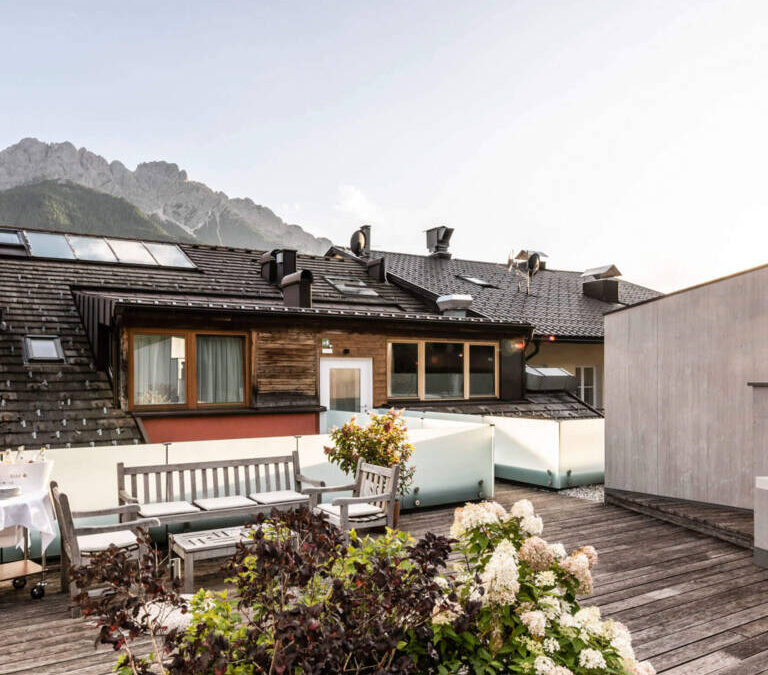
Boutique and Gourmet Hotel Orso Grigio is a 29-room, family-run hotel in San Candido, South Tyrol, managed by the ninth and tenth generations of a family that has welcomed guests since 1745. Its sustainability journey demonstrates how long-standing environmental and social values can be transformed into structured, measurable and independently verified practices.
Sustainability as a Business Philosophy
For Orso Grigio, sustainability journey did not begin with certification. It was already embedded in the way the hotel sourced food, managed resources, treated employees and maintained its relationship with the surrounding Alpine environment.
The certification process helped the hotel turn these informal practices into a documented Sustainability Management System, supported by clear responsibilities, monitoring procedures and improvement targets.
Key Sustainable Practices
The hotel applies sustainability across its daily operations:
- Renewable energy: Electricity comes entirely from Alpine hydroelectric sources, while the hotel uses biomass district heating instead of a fossil-fuel boiler.
- Water conservation: Flow restrictors, towel reuse and reduced linen changes help lower water and energy consumption.
- Waste prevention: Soap dispensers replace individual amenities, minibars are provided only on request, and guests can choose a “Green Day” without room cleaning.
- Local food sourcing: Dairy products, eggs, bread, honey, jams, juices and other ingredients are purchased from local cooperatives, farmers and village producers.
- Sustainable mobility: Guests can use an electric-vehicle charging station, rent an electric car, receive free transfers from the railway station and travel throughout the province with the AltoAdige Guest Pass.
- Responsible employment: The hotel provides fair wages, flexible working arrangements, regular training and personal communication with employees.
From Informal Action to Measurable Progress
An initial assessment showed that the hotel was already performing strongly in employee management, cultural engagement, local sourcing and mobility. However, areas such as carbon calculation, water monitoring, supplier assessment and written sustainability governance required further formalisation.
Through an advisory process, the hotel:
- calculated its carbon footprint;
- introduced monitoring of energy, water and local procurement;
- assigned responsibility for sustainability management;
- formalised staff sustainability training;
- developed a food-waste reduction approach; and
- created a documented Sustainability Management System.
Certification and Credibility
Orso Grigio achieved Level 3—the highest level—of the South Tyrol Sustainability Label, as well as full certification based on the Global Sustainable Tourism Council criteria through the accredited certification body Vireo.
These independent certifications provide credible evidence that the hotel’s environmental and social claims are supported by real practices, documentation and external auditing.
Why It Works
The case of Orso Grigio shows that certification is most meaningful when it builds upon authentic practices rather than replacing them. Its success is supported by:
- a long-term family commitment to the destination;
- practical advisory support for small hospitality businesses;
- strong regional renewable-energy, public-transport and waste-management infrastructure;
- clear and honest communication with guests; and
- continuous monitoring and improvement.
In Summary
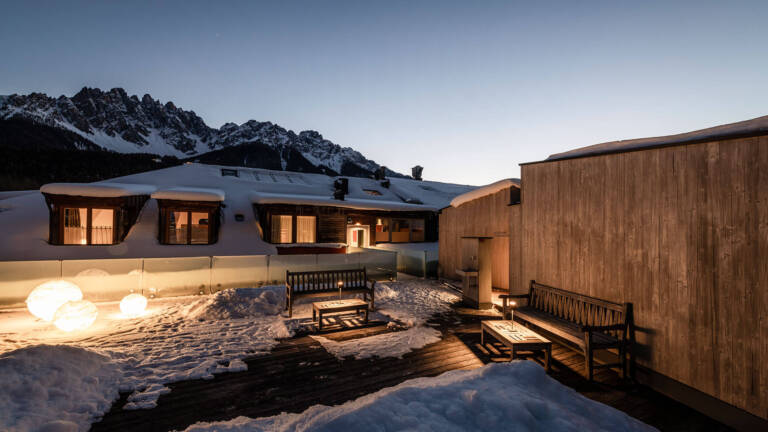
Boutique Hotel Orso Grigio illustrates how a small, historic hospitality business can combine tradition with modern sustainability management. By translating deeply rooted values into measurable actions and verified commitments, the hotel strengthens its operational resilience, supports the local economy and offers guests a more responsible way to experience the Dolomites.
You can read the full Case study in our Resourses section