
Good practices

Sustainable Destination Management Benefits
Effective destination management benefits communities with meaningful visitor experiences. According to ICF, a more holistic, long-term strategy enables both groups to thrive together. What Is Sustainable Destination Management? ICF defines it as a strategic and integrated approach to managing all...

Handbook of Good Practices in Tourism in Bulgaria
Bulgaria’s tourism industry is steadily shifting toward sustainable models that benefit local communities. A key resource for this evolution is the Handbook of Good Practices in the Tourism Sector, which outlines alternative tourism methods—such as creative, community-based, and circular tourism—to...

The UN Sustainable Development Agenda 2030
In September 2015, all United Nations Member States adopted the Agenda 2030 for Sustainable Development, a universal commitment to end poverty, protect the environment, and promote prosperity for everyone. At its heart are the 17 Sustainable Development Goals (SDGs) and...
GSTC Criteria: Setting Global Standards for Sustainable Tourism
The Global Sustainable Tourism Council (GSTC), founded in 2010 by UN agencies, WWF, UNEP, and others, leads the way in establishing global standards for sustainable travel and tourism. These standards—called the GSTC Criteria—define the minimum expectations for environmental, social, cultural,...
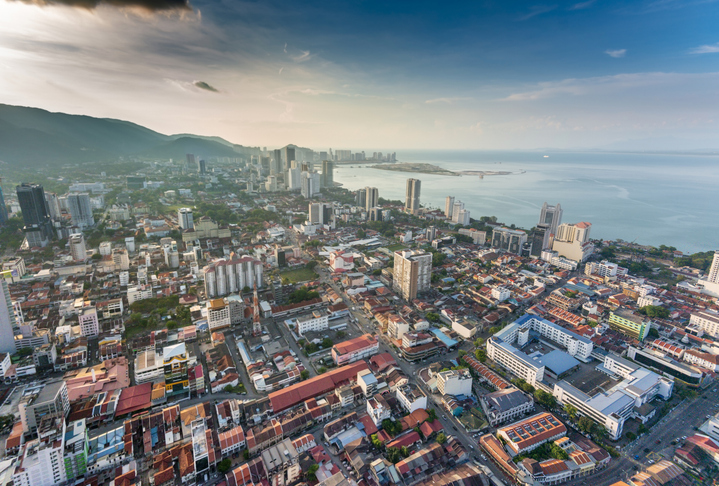
UNESCO Sustainable Tourism at World Heritage Sites Toolkit
The UNESCO Sustainable Tourism Toolkit is a step-by-step guide for managing sustainable tourism at World Heritage Sites. Designed for site managers, tourism professionals, and local authorities, it offers practical tools to balance tourism development with heritage conservation. The toolkit focuses...

How Travel Supports the 2030 Agenda
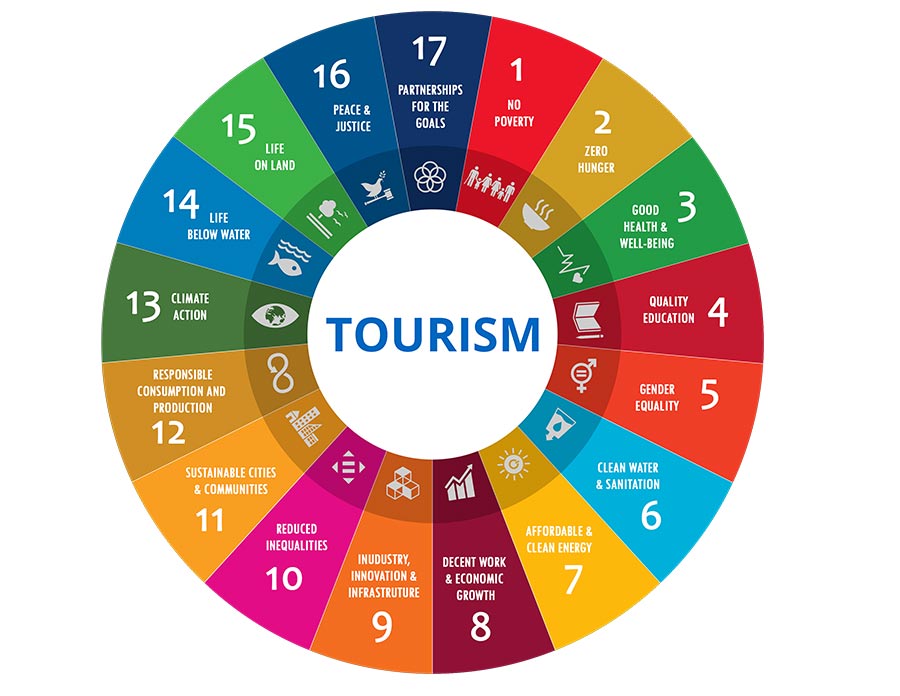
Sustainable tourism plays a pivotal role in achieving the UN’s 2030 Agenda. The UN’s SDG platform highlights its significance by linking tourism to economic growth (SDG 8), responsible consumption (SDG 12), and conservation of oceans (SDG 14). What Is Sustainable Tourism? The UN...
UNWTO & Sustainable Tourism
The United Nations World Tourism Organization (UNWTO) promotes responsible, sustainable and universally accessible tourism that supports the 2030 Agenda and the Sustainable Development Goals (SDGs). Tourism plays a key role in tackling global challenges—from climate change to poverty reduction. Through...

The 2030 Agenda for Sustainable Development: A Global Commitment to People and Planet
In 2015, world leaders from all corners of the globe united behind a transformative vision for the future: a world where prosperity is shared, the planet is protected, and all people live with dignity and opportunity. This vision was formalized...
ETIS: A Framework for Sustainable Destination Management
The European Tourism Indicator System (ETIS) is a practical tool created by the European Commission to support sustainable tourism development across Europe. Since its launch in 2013, ETIS has helped tourism destinations manage, measure, and monitor their sustainability efforts more...
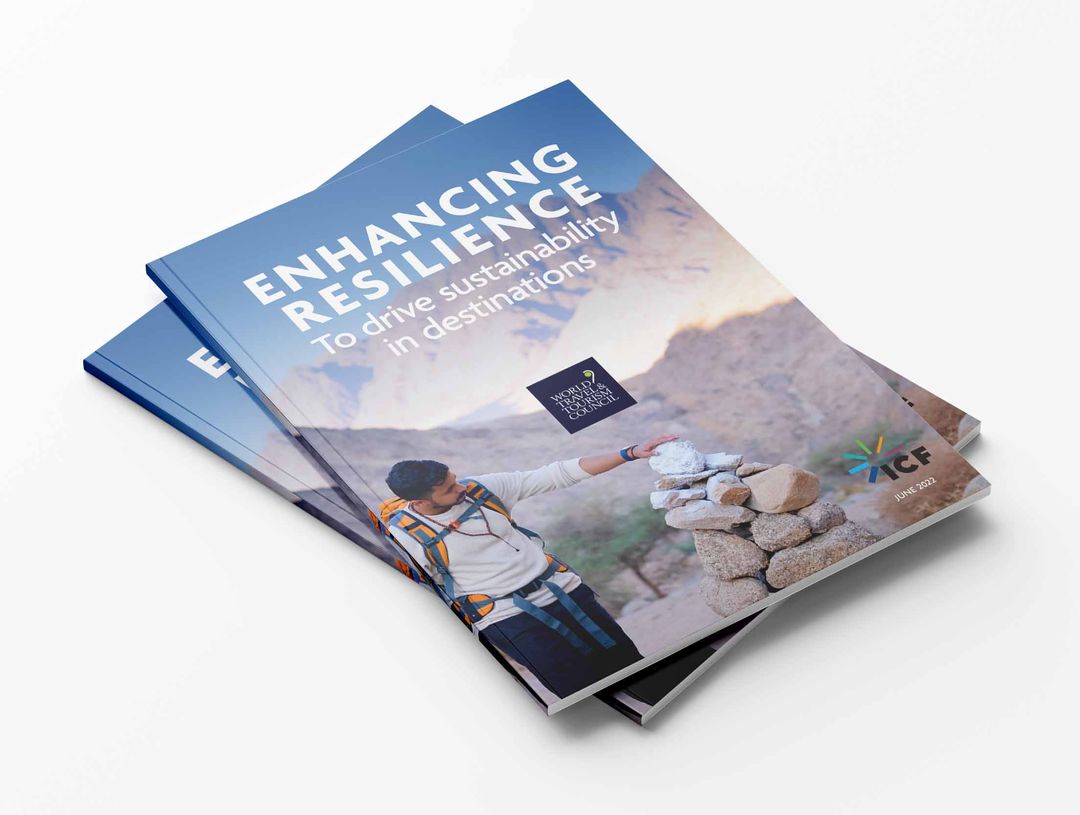
Enhancing Resilience: To drive sustainability in destinations
This report aims to provide practical, structured inspiration to destinations as they think about resilience and sustainability. As destinations grapple with stresses and shocks, ranging from pandemics to electricity or water shortages to extreme weather events, it is critical to implement...