
Good practices

From Commitment to Certification: the sustainability journey of Boutique Hotel Orso Grigio, Italy
Boutique and Gourmet Hotel Orso Grigio is a 29-room, family-run hotel in San Candido, South Tyrol, managed by the ninth and tenth generations of a family that has welcomed guests since 1745. Its sustainability journey demonstrates how long-standing environmental and...

Sustainable Destination Management Benefits
Effective destination management benefits communities with meaningful visitor experiences. According to ICF, a more holistic, long-term strategy enables both groups to thrive together. What Is Sustainable Destination Management? ICF defines it as a strategic and integrated approach to managing all...

Climate-sensitive Tourism in Italian and European Destinations
In early 2024, ENIT presented a landmark climate‑sensitive tourism study at BIT Milan, developed by Fondazione Santagata SGA in collaboration with Studio Giaccardi & Associati. This data‑driven research introduces the concept of "Climate‑Sensitive Tourism" and benchmarks how European and Italian...
Handbook of Good Practices in Tourism in Bulgaria
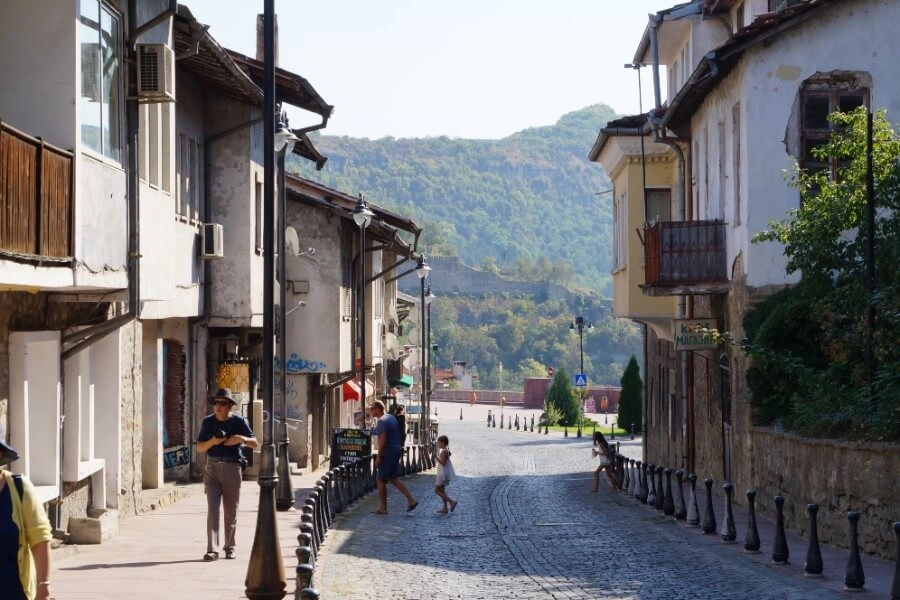
Bulgaria’s tourism industry is steadily shifting toward sustainable models that benefit local communities. A key resource for this evolution is the Handbook of Good Practices in the Tourism Sector, which outlines alternative tourism methods—such as creative, community-based, and circular tourism—to...

The UN Sustainable Development Agenda 2030
In September 2015, all United Nations Member States adopted the Agenda 2030 for Sustainable Development, a universal commitment to end poverty, protect the environment, and promote prosperity for everyone. At its heart are the 17 Sustainable Development Goals (SDGs) and...

Promoting Green Tourism in Slovenia: A National Blueprint
Slovenia has emerged as a global leader in sustainable tourism through its pioneering Green Scheme of Slovenian Tourism, launched in 2012 under the national brand Slovenia Green. This certification programme unites destinations, accommodations, attractions, restaurants, agencies, parks, and beaches in...
GSTC Criteria: Setting Global Standards for Sustainable Tourism
The Global Sustainable Tourism Council (GSTC), founded in 2010 by UN agencies, WWF, UNEP, and others, leads the way in establishing global standards for sustainable travel and tourism. These standards—called the GSTC Criteria—define the minimum expectations for environmental, social, cultural,...

Gran Canaria – A Sustainable Biosphere Destination
In January 2024, the island of Gran Canaria officially received the prestigious Biosphere Destination certification - recognizing its commitment to sustainable tourism and its alignment with the UN 2030 Sustainable Development Goals. It ranks among the top 15 European destinations...

Boutiquehotel Stadthalle: Pioneering the SDGs in Vienna’s Heart
Located in Vienna’s 15th district, Boutiquehotel Stadthalle has earned global recognition for its sustainability revolution. It became the world’s first city hotel with a zero-energy balance, generating as much energy as it uses, while fully aligning with the United Nations’...
Toolkit for Sustainable Tourism Destination Management
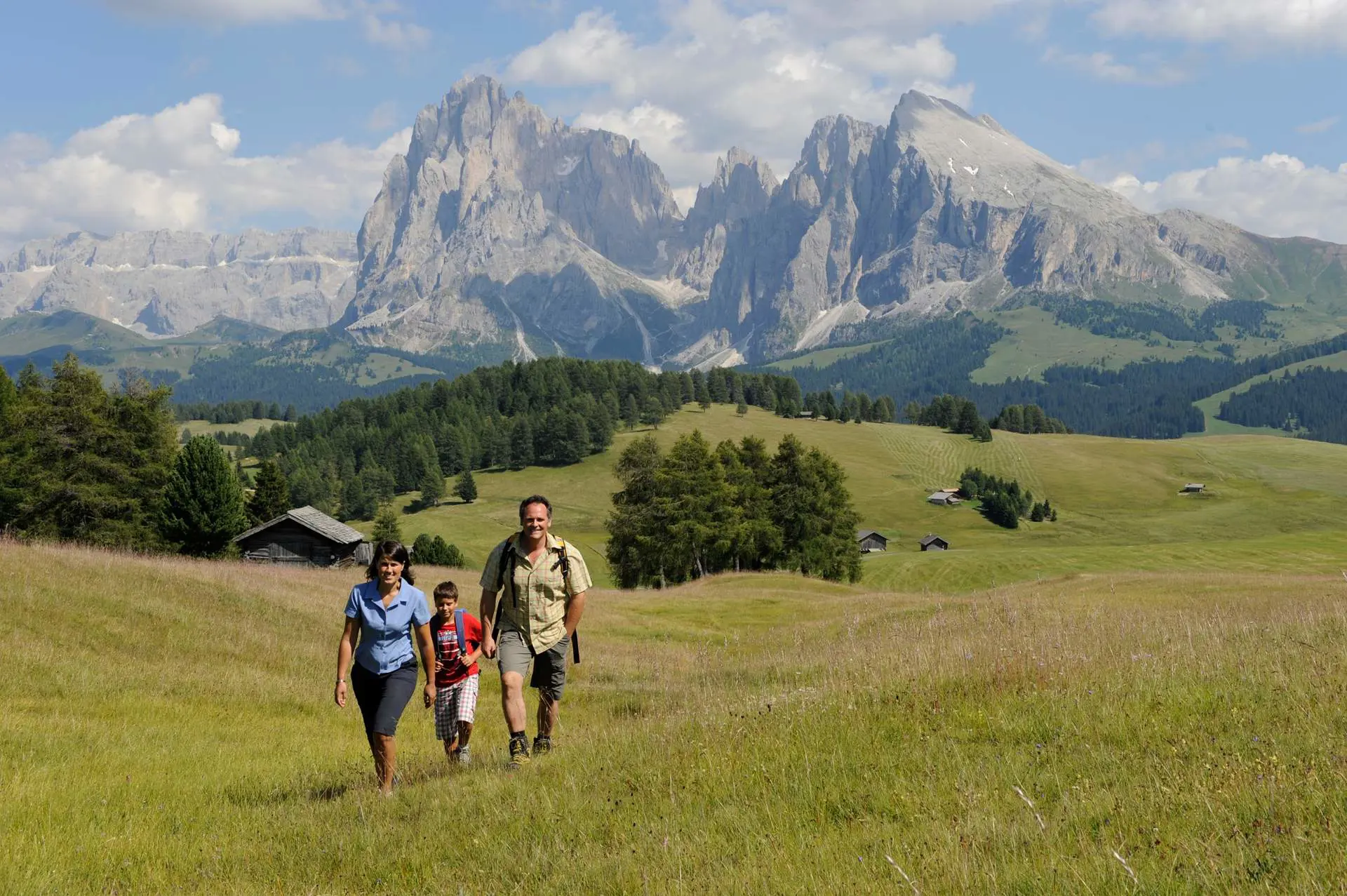
The Toolkit for Tourism Destination Management, developed by Etifor (a University of Padova spin-off), adapts the European Tourism Indicator System (ETIS) to offer a practical, stakeholder-driven guide for sustainable destination management. It equips local leaders with hands-on tools to monitor,...